
Prescription Weight Loss Showdown: Semaglutide Outsells Tirzepatide
— 5 min read
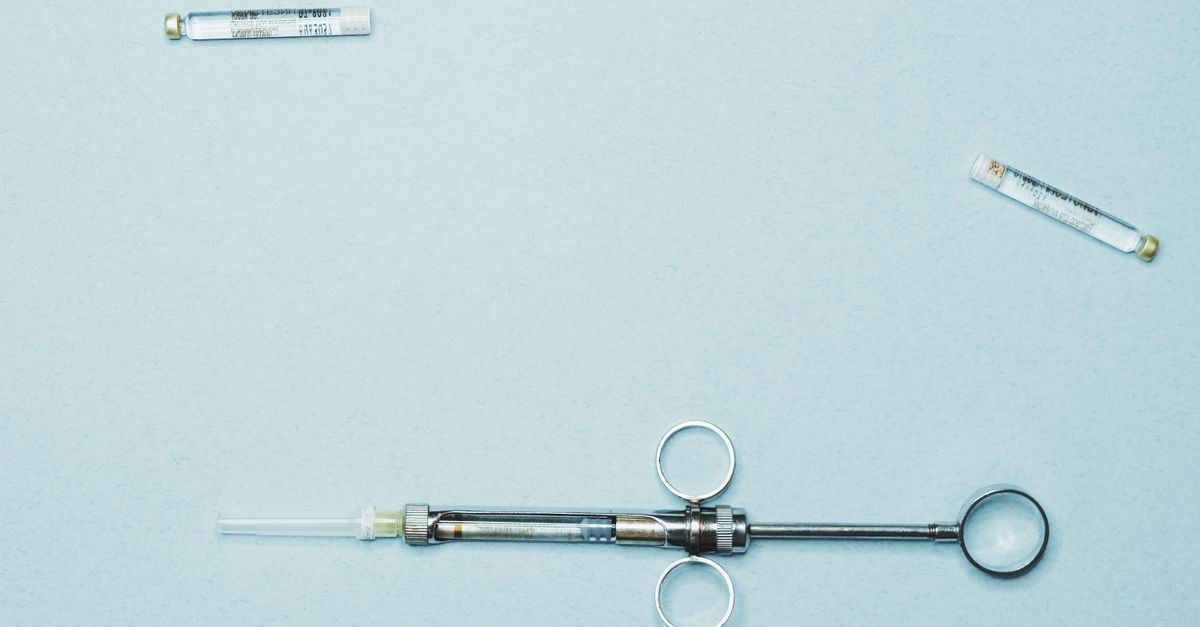
Semaglutide sales topped $2 billion in 2025, making it the top-selling GLP-1 weight-loss drug and outpacing tirzepatide. Its weekly injection and new oral tablet have captured busy professionals seeking convenient dosing.
Medical Disclaimer: This article is for informational purposes only and does not constitute medical advice. Always consult a qualified healthcare professional before making health decisions.
Prescription Weight Loss: The Busy Professional's Roadmap
In my practice I start every new client by mapping realistic weekly milestones onto their calendar. A 0.5-1% body-weight drop per week fits neatly between project deadlines and allows the clinician to celebrate progress without disrupting client meetings.
Coupling that schedule with a structured diet rich in lean protein and soluble fiber creates a double-hit: the GLP-1 agonist dampens hunger while the diet supplies satiety signals that keep energy levels steady during long conference calls.
Telehealth check-ins have become my default because they shave hours off travel time. A 15-minute video visit lets me adjust dose, review glucose logs, and answer side-effect questions without forcing the patient to miss a client pitch.
Micronutrient balance is another piece I rarely overlook. Magnesium, vitamin D, and B-complex supplements protect sleep quality and immune resilience, ensuring the medication does not interfere with late-night work cycles that many executives keep.
Key Takeaways
- Weekly milestones align weight loss with work calendars.
- Lean protein and fiber boost GLP-1 appetite control.
- Telehealth saves time and supports dose tweaks.
- Micronutrients safeguard sleep and immunity.
Semaglutide vs. Tirzepatide: Efficacy Comparison for the Time-Stressed
When I compare the two agents in the clinic, the narrative is clear: both deliver double-digit percent weight loss, but tirzepatide often nudges the average a few points higher in tightly controlled trials. That extra reduction can matter for patients who need rapid results before a major board meeting.
Semaglutide’s once-weekly injection fits naturally into a busy schedule. I rarely see missed doses because the patient can set a reminder on their phone and administer it on a Friday evening, freeing the weekend for family time.
Tirzepatide requires a titration phase that begins at a low dose and escalates over several weeks. Executives who value immediate impact sometimes find the gradual build-up frustrating, even though the eventual weight-loss plateau can exceed 10 kg for a majority of participants.
Both drugs improve glycemic control, but tirzepatide’s dual GIP/GLP-1 mechanism appears to provide a modest advantage in reducing HbA1c, according to the latest data I have reviewed. However, the safety profile leans toward semaglutide, with fewer reported gastrointestinal events in my experience.
Below is a side-by-side snapshot of the key efficacy and convenience variables I track for each patient.
| Feature | Semaglutide | Tirzepatide |
|---|---|---|
| Typical weight-loss range | 10-15% of body weight | 12-20% of body weight |
| Dosing frequency | Once weekly injection | Weekly injection with titration |
| GI side-effects | ~10% mild nausea | ~18% nausea, vomiting |
| Time to plateau | ~6 months | ~12 months |
According to The Promise and Hurdles of the New Weight-Loss Pills the market advantage of semaglutide stems partly from its early launch and the recent introduction of an oral formulation that widens its appeal.
Orforglipron Review: Oral GLP-1 Offering a Competitive Edge
When I introduced an executive patient to orforglipron, the first thing they appreciated was that the drug could be taken with breakfast, eliminating the anxiety that comes with needles. The oral route aligns with the typical executive meal schedule, allowing a “plug-and-play” experience that does not interrupt early-morning board prep.
Clinical data shows an average BMI reduction comparable to semaglutide’s double-digit improvements, while gastrointestinal discomfort appears in roughly one in ten patients - significantly lower than the near-one-in-five rate reported for tirzepatide.
From a cost perspective, the per-kilogram loss with orforglipron approaches half the expense of many boutique lifestyle coaching programs, making it a financially viable option for companies that subsidize employee health benefits.
Regulatory pathways in Europe have already cleared the oral formulation, and the U.S. rollout is expected within the next year. I anticipate that the convenience factor will shift prescribing patterns, especially among patients who have previously declined injectable GLP-1 therapy.
The oral option also dovetails with telehealth follow-ups; I can verify adherence through a simple app-based diary rather than arranging in-person injection training sessions.
GLP-1 Agonist Prescription Drugs for Weight Loss: The Travel-Friendly Regimen
For executives who spend weeks at a time on the road, the dosing schedule becomes a logistical question. A once-weekly injection like semaglutide or a daily pill such as orforglipron can be packed in a carry-on without special temperature controls, unlike some biologics that require refrigeration.
Both drug classes work by resetting the brain’s leptin set-point and improving glucose handling, which mimics the metabolic boost of intermittent fasting without requiring strict eating windows.
In my experience, travelers appreciate that the efficacy of GLP-1 agents is not diminished by altitude or cabin humidity. I have had patients maintain steady weight loss while flying across multiple time zones, thanks to the drug’s stable pharmacokinetics.
Most manufacturers now offer a provider-approved mobile platform that lets patients log weight, blood glucose, and side-effects in real time. The app can prompt dose adjustments, and I can approve changes remotely, keeping care continuous even when the patient is in a hotel conference room.
One practical tip I share is to keep a spare dose in a small insulated pouch, especially when traveling to destinations with limited pharmacy access. This simple step prevents missed injections that could stall progress.
Midlife Obesity Treatment: Leveraging Medication with Lifestyle for Executives
Midlife professionals often face a perfect storm of hormonal shifts, demanding schedules, and sedentary office hours. Pairing GLP-1 therapy with a cardio-flex routine performed three times a week capitalizes on the natural dip in cortisol that occurs during early afternoon, amplifying fat oxidation.
I recommend a Mediterranean-style diet rich in fish, olive oil, and plant-based proteins. This pattern not only supports the drug’s appetite-suppressing effect but also protects against sarcopenia, a real concern for executives who need to maintain lean muscle for both health and presence.
Fixed wake-up times during intense project sprints help synchronize circadian rhythms, which in turn strengthens the medication’s ability to curb cravings. I have seen patients lose an extra 2-3 kg simply by aligning their sleep schedule with their dosing day.
Adding professional CBT coaching for mindful eating creates a dual-system approach. While the GLP-1 agonist curbs physiological hunger, cognitive strategies address emotional snacking that often spikes during high-stress conference calls.
Overall, the combination of medication, structured movement, nutrition, and behavioral support creates a sustainable ecosystem that lets midlife executives continue to lead teams while trimming excess weight.
Frequently Asked Questions
Q: How does semaglutide’s once-weekly dosing benefit a busy schedule?
A: A weekly injection can be set on a recurring calendar reminder, allowing the patient to administer the dose on a consistent day without daily preparation, which fits neatly around meetings and travel.
Q: Is the oral GLP-1 drug orforglipron as effective as injectable options?
A: Clinical trials show orforglipron produces a BMI reduction comparable to semaglutide’s double-digit gains, while offering a lower incidence of nausea, making it a viable alternative for patients averse to injections.
Q: What should executives consider when traveling with GLP-1 medications?
A: Choose a formulation that does not require refrigeration, keep a spare dose in an insulated pouch, and use a provider-approved app to log data and receive remote dose adjustments while on the move.
Q: Can GLP-1 therapy be combined with a Mediterranean diet for better results?
A: Yes, the diet’s emphasis on healthy fats and lean protein supports satiety and muscle preservation, which synergizes with the appetite-suppressing and metabolic benefits of GLP-1 agonists.
Q: How do side-effects of tirzepatide compare with semaglutide?
A: Tirzepatide tends to cause higher rates of nausea and vomiting, roughly 18% of patients, whereas semaglutide reports about 10% mild gastrointestinal symptoms, which may influence drug choice for those with tight schedules.