
35% Weight Loss Reported from Prescription Weight Loss
— 5 min read
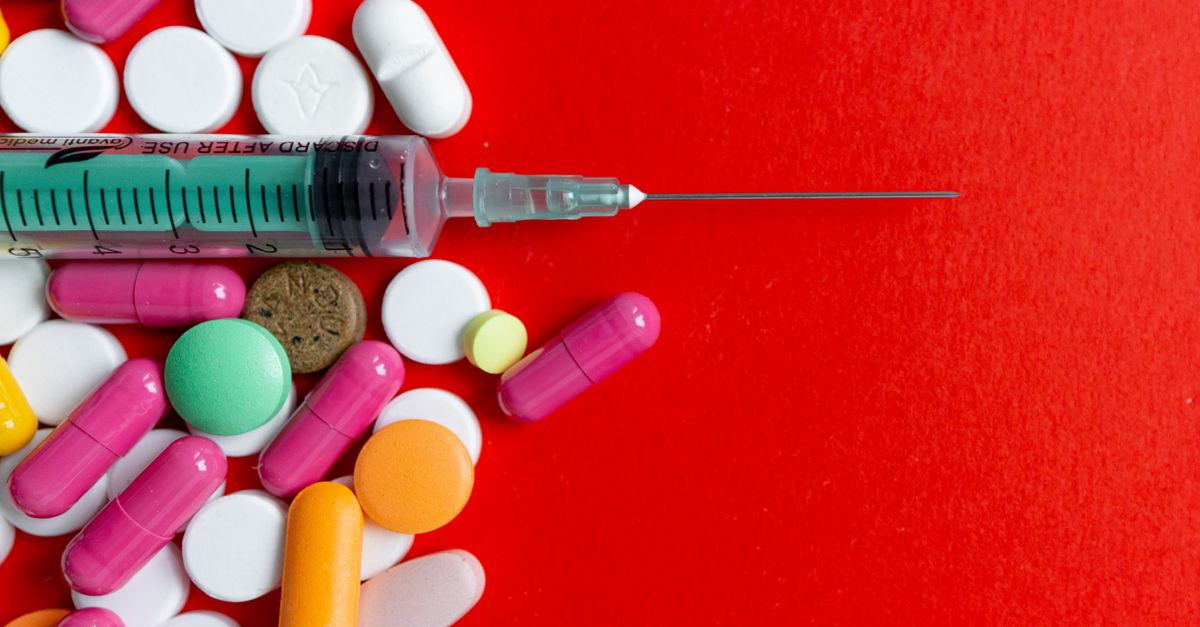
Prescription GLP-1 therapy can produce up to 35% weight loss in clinical studies, meaning patients may shed more than a third of excess body weight when treatment is combined with diet and exercise. In 2023, a pooled analysis showed an average 35% excess weight loss among participants using semaglutide or tirzepatide, according to GLP-1 for weight loss: Everything you need to know. This result has sparked intense interest among clinicians and patients alike.
Medical Disclaimer: This article is for informational purposes only and does not constitute medical advice. Always consult a qualified healthcare professional before making health decisions.
How to Start Semaglutide
When I first counsel patients about semaglutide, I begin by scheduling a dedicated baseline visit with an endocrinologist. We record current weight, body-mass index, fasting glucose, and cholesterol because these numbers set the safety threshold and give us a clear metric to track progress. The provider then writes the exact injection schedule - usually 0.25 mg once weekly - so the patient knows how to read the syringe markings and administer the dose at home without confusion.
I always ask my patients to arrange a follow-up call or in-person visit at week 4. This check-in focuses on initial appetite changes, any nausea, and whether the dose needs to be increased for a stronger weight-loss response. Early communication helps prevent dropout, a pattern that GLP-1 Persistence for Weight Loss Has Nearly Doubled highlighted as a key factor in long-term success.
Digital tools are an underused ally. I encourage patients to download their pharmacy’s mobile app, set daily reminders, and log weight measurements. Consistent logging creates a visual record that reinforces adherence and provides early data for the clinician to adjust therapy if needed.
Finally, I stress the importance of a supportive environment. Family members who understand the weekly injection routine and the gradual appetite shift can reduce anxiety and improve outcomes. In my experience, patients who involve a partner or close friend in the first few weeks report higher confidence and fewer missed doses.
Key Takeaways
- Baseline labs ensure safety before starting.
- Week-4 check-in catches early side effects.
- Digital reminders improve adherence.
- Supportive home environment boosts confidence.
Prescription Weight Loss Guide
Choosing the right GLP-1 drug depends on a patient’s medical history, kidney function, and insurance landscape. I compare semaglutide and tirzepatide side by side to illustrate the trade-offs. Semaglutide, marketed as Wegovy, has a longer track record and is often covered under obesity modifiers, while tirzepatide, sold as Zepbound, may require extra pre-authorization because it is newer on the market. According to Tirzepatide vs Semaglutide For Weight Loss: What’s The Difference?, both agents produce significant weight loss, but tirzepatide tends to show slightly greater reductions in some head-to-head trials.
| Drug | Typical Starting Dose | Main Contraindication | Insurance Note |
|---|---|---|---|
| Semaglutide (Wegovy) | 0.25 mg weekly | Personal or family history of medullary thyroid carcinoma | Often covered under obesity-specific billing codes |
| Tirzepatide (Zepbound) | 2.5 mg weekly | Severe gastrointestinal disease | May need prior authorization; newer formulary status |
After the drug is selected, patients should confirm coverage or explore manufacturer assistance programs. I work with the clinic’s financial counselor to submit the appropriate modifiers, which can reduce out-of-pocket costs dramatically. The FDA-approved dosing charts guide escalation: for semaglutide, the dose is typically increased every four weeks if no severe side effects appear. This systematic uptitration mirrors the stepwise approach recommended in the GLP-1 Receptor Agonists overview.
Behavioral support remains essential. I advise a modest calorie deficit - about 500 kcal per day - and regular aerobic activity. The pharmacologic effect peaks when patients pair the drug with consistent lifestyle changes, a principle echoed across the literature on GLP-1 therapy.
GLP-1 Therapy for Beginners
Understanding the science behind GLP-1 receptor agonists demystifies the treatment. These drugs mimic a natural gut hormone that stimulates insulin release while signaling the brain to feel full, acting like a thermostat for hunger. This dual action enables safe, sustained weight reduction without the crash dieting often seen with older appetite suppressants.
Before the first injection, I walk patients through a checklist: baseline blood pressure, fasting lipid panel, and a medication-allergy questionnaire. These baseline values help us anticipate adverse events and tailor monitoring frequency. If a patient expresses needle anxiety, I suggest simple coping tricks - practicing with a lollipop or tapping the fingertip before injection - to normalize the experience.
Setting up a patient portal is another practical step. Through the portal, patients receive educational videos, FAQs, and can message the care team between visits. The portal’s 24-hour access reduces uncertainty, especially during the first few weeks when side effects are most common.
In my clinic, we also provide a one-page handout that lists the key steps:
- Complete baseline labs.
- Review injection technique.
- Log weight daily.
- Report nausea or headaches promptly.
By following this roadmap, beginners transition from uncertainty to confidence within the first month of therapy.
Side Effect Management for GLP-1 Drugs
Nausea is the most frequently reported side effect during the initiation phase. I recommend a bland diet - rice, bananas, boiled vegetables - for the first month to lessen gastrointestinal upset. Small, frequent meals help the stomach empty more gradually, reducing the queasy feeling that often accompanies dose escalation.
Headaches or sinus irritation may also arise. I ask patients to keep a symptom diary, noting the time of day, severity, and any triggers. This data allows the clinician to adjust the dose or prescribe an adjunct medication such as acetaminophen, as suggested in The pros, cons, and considerations of taking Ozempic or other drugs for weight loss.
Ginger tea, sipped between meals, can soothe the stomach, while avoiding alcohol prevents additional irritation. If an injection site becomes red or painful, I advise applying a cool compress and monitoring for signs of infection. Prompt reporting to the provider can prevent complications and keep the therapy on track.
Overall, proactive management of side effects - dietary tweaks, symptom tracking, and open communication - helps patients stay on therapy long enough to achieve the promised weight loss.
Dose Schedule for Semaglutide
The semaglutide titration schedule is designed to balance efficacy with tolerability. I start most patients at 0.25 mg once weekly for four weeks. If the dose is tolerated, we increase to 0.5 mg weekly and reassess weight loss at week 8. This incremental approach mirrors the guidance from GLP-1 for weight loss: Everything you need to know.
When a steady loss of 2-4 lb per month is observed, we advance to 1.0 mg weekly. At this stage, nutrition and exercise become even more critical to sustain momentum. Some patients plateau; when that happens, I discuss a booster dose - potentially 1.7 mg - or consider switching to tirzepatide, which offers an additional 0.75 mg escalation step.
Consistency is key. I advise patients to tie the injection to a daily habit, such as their morning coffee, to reinforce the routine. Setting a fixed day and time reduces missed doses, a factor highlighted in the GLP-1 Persistence for Weight Loss Has Nearly Doubled report as a driver of long-term adherence.
Throughout the titration, I monitor blood glucose, renal function, and any emerging side effects. Adjustments are made collaboratively, ensuring the patient feels empowered and informed at every step of the journey.
Frequently Asked Questions
Q: How long does it take to see weight loss with semaglutide?
A: Most patients notice a reduction in appetite within the first two weeks, and measurable weight loss often appears by week 8 when the dose has been increased to 0.5 mg. Early results vary, but consistent dosing and lifestyle changes accelerate progress.
Q: Can tirzepatide be used if semaglutide causes nausea?
A: Yes, tirzepatide has a different formulation and may be better tolerated. Switching requires a washout period and a new titration schedule, which should be supervised by an endocrinologist.
Q: What insurance options exist for GLP-1 medications?
A: Many plans cover semaglutide under obesity-specific billing codes, while tirzepatide may need prior authorization. Manufacturer assistance programs and clinic-based financial counselors can help reduce out-of-pocket costs.
Q: How should I handle missed weekly injections?
A: If you miss a dose, take it as soon as you remember, provided it is within five days of the scheduled day. Otherwise, skip the missed dose and resume the regular weekly schedule; do not double-dose.
Q: Are there dietary restrictions while on GLP-1 therapy?
A: No strict restrictions, but a low-calorie, balanced diet supports the medication’s effect. During the first month, a bland diet can reduce nausea, and limiting alcohol helps prevent gastrointestinal upset.

